How to Open and Operate a Successful Gym Within Your Budget
sytfitness.com 2026-08-30 208
How to Open and Operate a Successful Gym Within Your Budget
Starting a gym is an exciting venture, but the key to long-term success lies in matching your ambitions with your financial reality. A common mistake among first-time owners is overspending on premium equipment or renting an oversized space before securing a customer base. This guide focuses on the core essentials of launching a functional, profitable gym—using a 300 to 500 square meter (approx. 3,200–5,400 sq ft) facility as a practical example—and provides straightforward advice on equipment configuration, location selection, and daily operations.
1. Equipment Configuration for a 300–500 sqm Gym (No Brand Names)
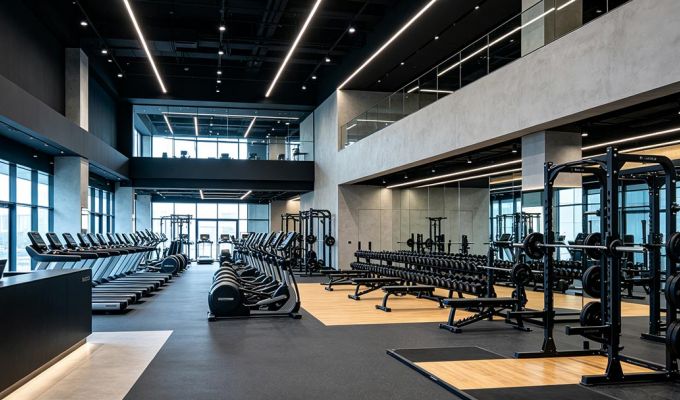
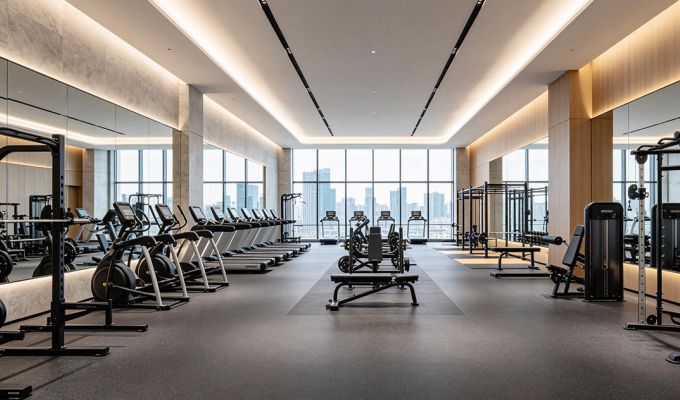
For a mid-sized gym of this scale, the goal is to maximize floor space while covering the three essential training zones: cardio, strength, and functional fitness. Below is a balanced configuration suggestion based on a typical 400 sqm layout.
Cardio Zone (approx. 80–100 sqm)
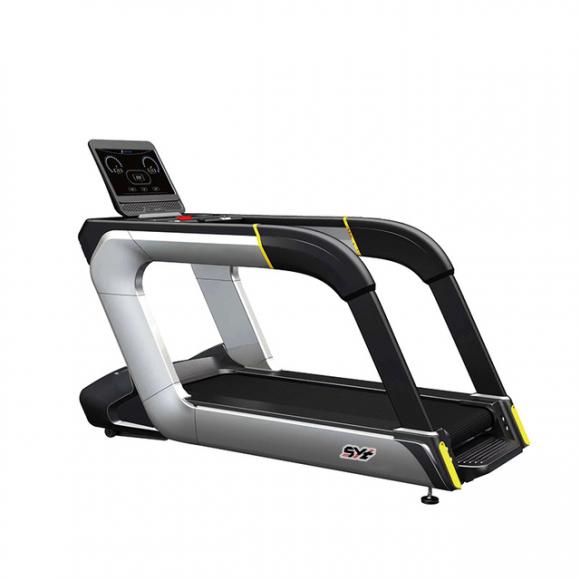
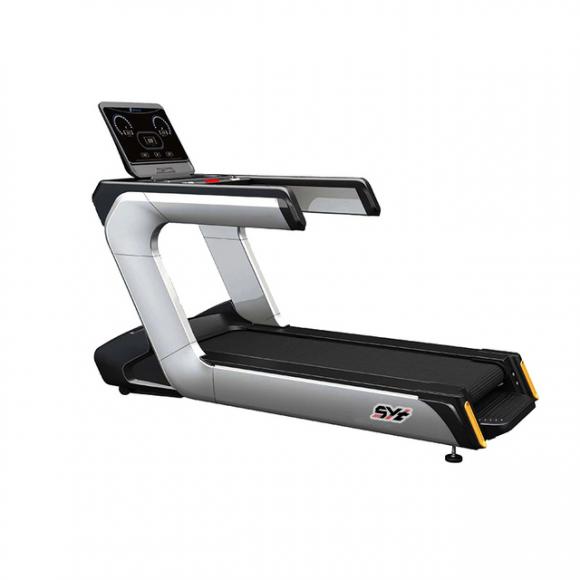
- Treadmills: 6–8 units. Choose commercial-grade machines with reliable motors and good shock absorption.
- Elliptical Cross-Trainers: 3–4 units. Low-impact options appeal to a wider age range.
- Stationary Bikes: 4–6 units (a mix of upright and recumbent models).
- Rowing Machines: 2–3 units. A great full-body cardio alternative that takes up minimal space.
Strength Zone (approx. 120–150 sqm)
- Selectorized Strength Machines: 8–10 pieces covering major muscle groups (e.g., chest press, lat pulldown, leg press, shoulder press, seated row). Opt for ergonomic designs with clear instruction placards.
- Multi-Station Functional Trainer: 1–2 units. These cable-based machines allow a huge variety of exercises and save floor space compared to multiple single-station machines.
- Free Weight Area: Include 2–3 adjustable benches, 1–2 Olympic squat racks or power cages, a flat/incline bench press station, and a full set of dumbbells (e.g., 2.5kg–50kg pairs). Add bumper plates and Olympic bars for serious lifters.
Functional & Stretching Zone (approx. 60–80 sqm)
- Open mat area with kettlebells, medicine balls, resistance bands, suspension trainers, and foam rollers.
- A few functional rigs or pull-up stations if budget allows.
- Mirrors and a sound system to create an energetic atmosphere.
Budget Tip: Prioritize commercial-grade cardio and strength machines for durability, but you can save by choosing simpler models without unnecessary digital screens. Allocate roughly 40–50% of your total equipment budget to cardio, 40% to strength, and 10–20% to free weights and accessories.
2. How to Choose the Right Location
Location can make or break a gym. For a 300–500 sqm facility, consider these factors:
- Visibility and Accessibility: Ground-floor spaces or easily visible upper floors in commercial areas attract walk-in traffic. Ensure ample parking or proximity to public transport.
- Demographics: Study the surrounding population. A residential area with young professionals or families is ideal for a general-purpose gym. Avoid locations saturated with direct competitors unless you offer a unique niche.
- Foot Traffic & Anchor Tenants: Being near supermarkets, cafes, or busy retail stores increases exposure. A gym benefits from the steady flow of people already visiting the area.
- Space Efficiency: Look for spaces with minimal pillars, high ceilings (at least 3.5m), and separate areas that can be adapted into cardio, strength, and studio zones without major renovation.
- Lease Terms: Negotiate a lease that allows for future expansion or exit clauses. Avoid overly long commitments until your business proves stable.
3. Basic Operations for a Profitable Gym
Opening the doors is just the beginning. To keep the business running smoothly:
- Membership Structure: Offer flexible plans—monthly, quarterly, and annual—with discounts for longer commitments. Introduce a low-cost trial period (e.g., a 7-day pass) to convert prospects into members.
- Staffing: Hire certified trainers who can also serve as floor supervisors to ensure safety and provide basic guidance. A friendly front-desk receptionist is essential for first impressions.
- Cleanliness & Maintenance: A spotless gym retains members. Implement a strict cleaning schedule for equipment, locker rooms, and floors. Regularly inspect machines for wear and tear.
- Marketing: Leverage social media to showcase your facility, share member success stories, and promote special offers. Partner with local businesses for cross-promotions. Encourage referrals by rewarding members who bring friends.
- Community Building: Host small events like fitness challenges, nutrition workshops, or group classes to foster a sense of belonging. Happy members become your best marketers.
In Summary
Starting a gym within budget requires careful planning, especially for a 300–500 sqm space. Focus on a balanced equipment mix that serves the majority of users, choose a location with high visibility and the right demographics, and run your operations with an emphasis on cleanliness, community, and smart marketing. With these fundamentals in place, your gym can become a sustainable, profitable business that helps people achieve their fitness goals.
More Related News:
-
30
2026-08
Shuyoute Fitness: Engineering Excellence, Empowering Global Fitness Dreams
Shuyoute Fitness: Engineering Excellence, Empowering Global Fitness Dr...
2026-08-30

-
30
2026-08
How does Shuyoute Fitness conduct quality control in its factory
In the global fitness equipment industry, product quality has always b...
2026-08-30

Lastest News